



All rights reserved © Musicali 2026

Tal RudovskyMusicali – musicians and bands for events
Replies in English within the day
Get a quote on WhatsApp+972-54-764-9630Musicians and bands for events in Israel
Frequently Asked Questions
Do we need a band if we have a DJ?
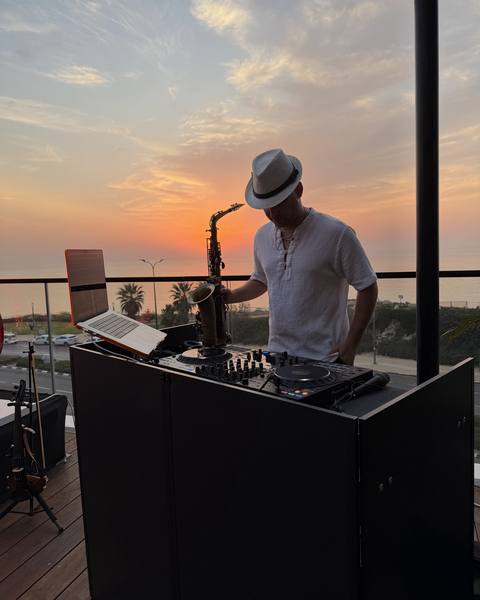
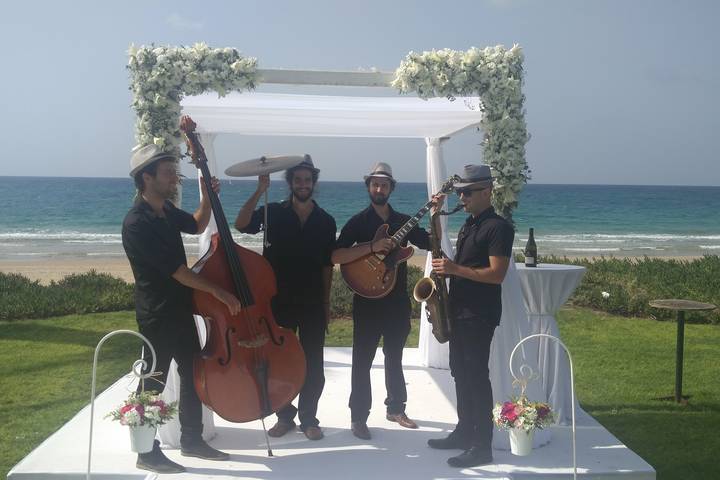
Not necessarily. Most Israeli weddings run on a DJ plus live musicians for the reception and the chuppah, and a saxophonist or violinist playing with the DJ for the dancing. A full band makes sense for couples who want a live hora set or a specific style.
Can Israeli musicians play American and British songs?
Yes. Send your list in advance; English-language pop, soul and jazz standards are part of every Israeli wedding repertoire.
How far in advance should we book from abroad?
Eight to twelve months for a Thursday or a summer date; three months is often enough for a weekday in winter. Message us as soon as you have a date.
How do we pay from the US or the UK?
A written agreement and a deposit by bank transfer secure the date; the balance is paid by bank transfer around the wedding.
Do you speak English on the day?
Yes. Tal and the musicians speak English, and Tal is the single contact from the first message to the last dance.


